
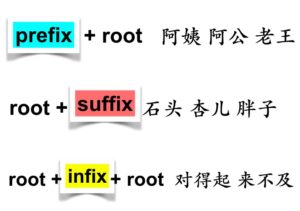
In Chinese, there are words that can combine with other words to modify their meanings or create new words. We call these words affixes. Don’t hesitate to build vocabulary with affixes because they really help to learn vocabulary rapidly. Continue reading “Build vocabulary with affixes”
Author: Decode Mandarin Chinese
How to learn similar characters?
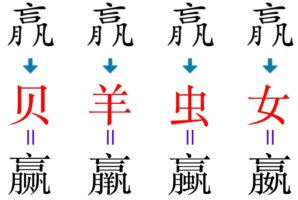
There are many characters in Chinese that look o sound very similar. If you feel tough to learn them, just take minutes to check out how to master them. Continue reading “How to learn similar characters?”
Types of adverbs in Chinese
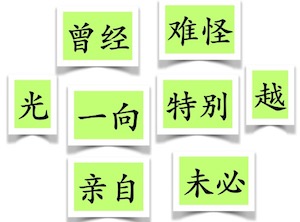
Chinese adverbs add to the meaning of a verb, an adjective, another adverb, or a whole sentence. They can add additional information about the action, event, or situation mentioned such as how, when, where, etc. There are several types of adverbs in Chinese: Continue reading “Types of adverbs in Chinese”
Chinese character structure: a guide to writing characters well
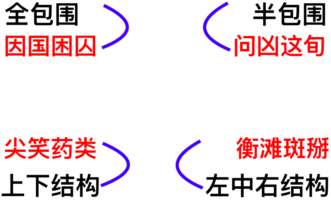
Before learning Chinese character structure, make sure you understand well the concept of a component. A component is different from a stroke. A component is a part that must have an independent meaning. Continue reading “Chinese character structure: a guide to writing characters well”
Character formation in Chinese
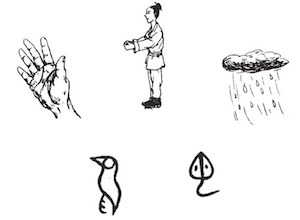
As for the formation of Chinese characters, there are six different ways. Four of them are most important. Continue reading “Character formation in Chinese”