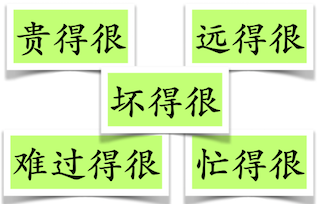
得很 means nothings if it is used alone, but it likes to stick to many adjectives to strengthen the tone of the adjectives. One thing to remember: 得很 is only “addicted” to adjectives. So, you won’t hear such expressions as 我看得很; 他冻得很; 我朋友学习得很; 她妹妹开车得很; etc. Continue reading “Formula of “得很””
Author: Decode Mandarin Chinese
The use of 出轨
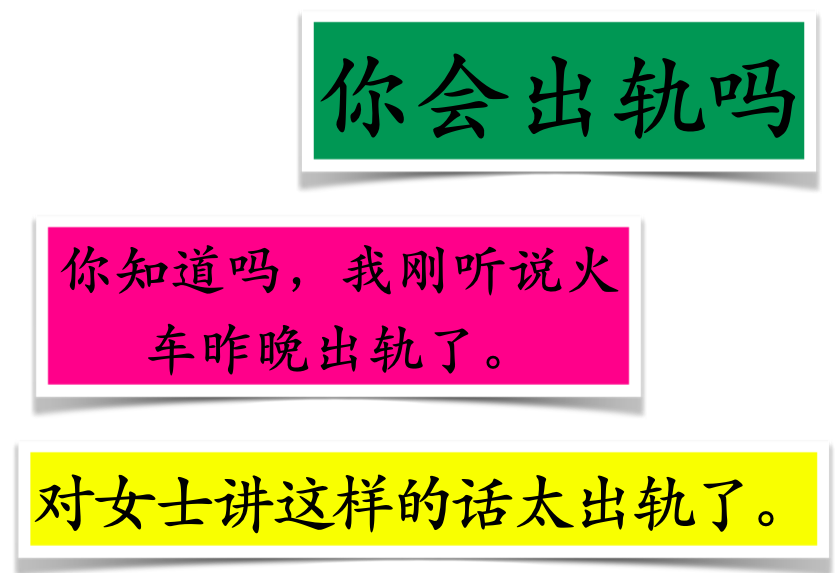
The basic and literal meaning of 出轨 chū guǐ is: be derailed; go off the rails; jump the rails. It has two figurative meanings: Continue reading “The use of 出轨”
被骗好多年:电梯关门按键根本没用!

Most people do not have the patience to wait a few seconds for the elevator doors to shut, so they push the ‘close’ button to speed up the process. 大多数人没有等待电梯自动关闭的耐心(虽然这个过程只有几秒钟),所以他们按“关门”键来加快关门速度。 Continue reading “被骗好多年:电梯关门按键根本没用!”
The use of 来着 as an auxiliary word of tense
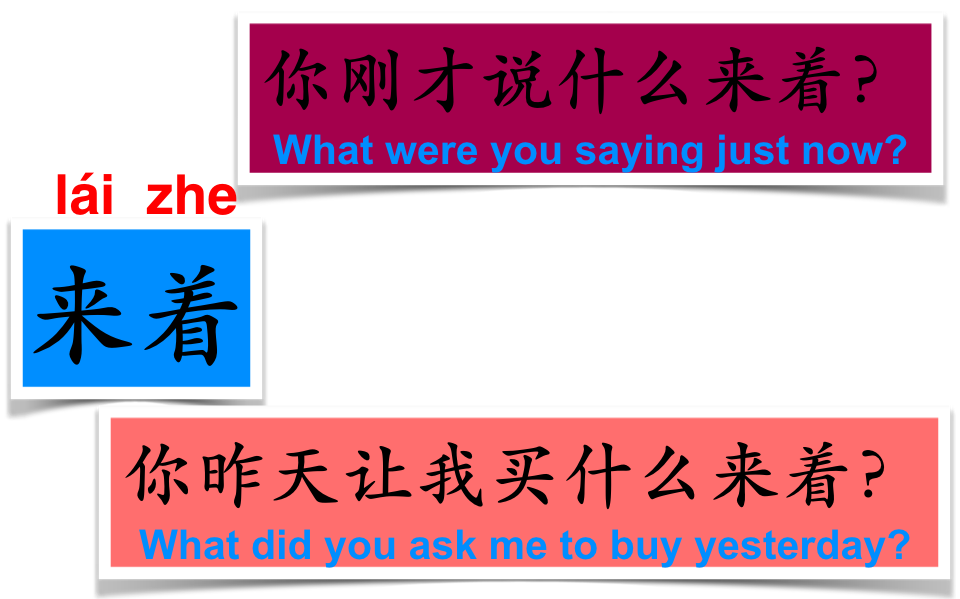
来着 is used as an auxiliary word of tense at the end of a sentence indicating a completed action. In this case, 着 is pronounced in the neutral tone zhe. Continue reading “The use of 来着 as an auxiliary word of tense”
Suffix 家 and its formula
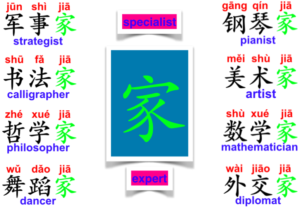
Chinese suffixes are very productive to make new words. If it were not for them, we would have to learn many new characters. The suffix 家 is one of them. Continue reading “Suffix 家 and its formula”