
When we think about Chinese, we often think first of characters. But Chinese is much more than what we see on the page. Beneath those characters is a language with a remarkably structured sound system, a unique grammar, and its own way of organizing meaning.
Continue reading “The 10 Keys to Chinese: How the Language Works from Within”Category: Set phrases
A Highly Misused Chinese Idiom: 万人空巷
There is one Chinese idiom that many learners completely misunderstand. Even some native speakers occasionally get it wrong when they take it too literally.
Continue reading “A Highly Misused Chinese Idiom: 万人空巷”不 can convert two characters to a set phrase
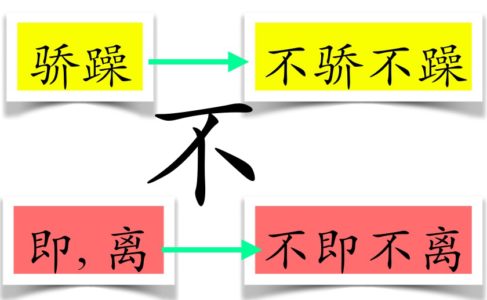
不 is usually used as a negative adverb in a sentence. It also has another very important use that it can form set phrases in the form of 不_不_(ABAC). Continue reading “不 can convert two characters to a set phrase”
Numbers in set phrases
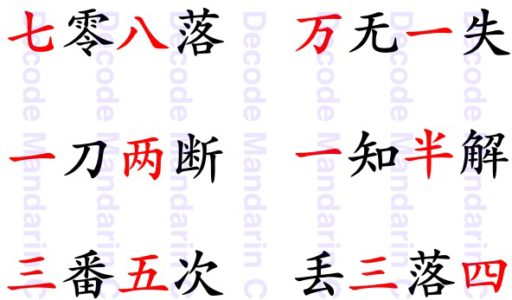
Numbers are not only for numbers. In Chinese, the numbers appear in many set phrases to express various figurative meanings. Continue reading “Numbers in set phrases”
Different kinds of “many” in Chinese set phrases
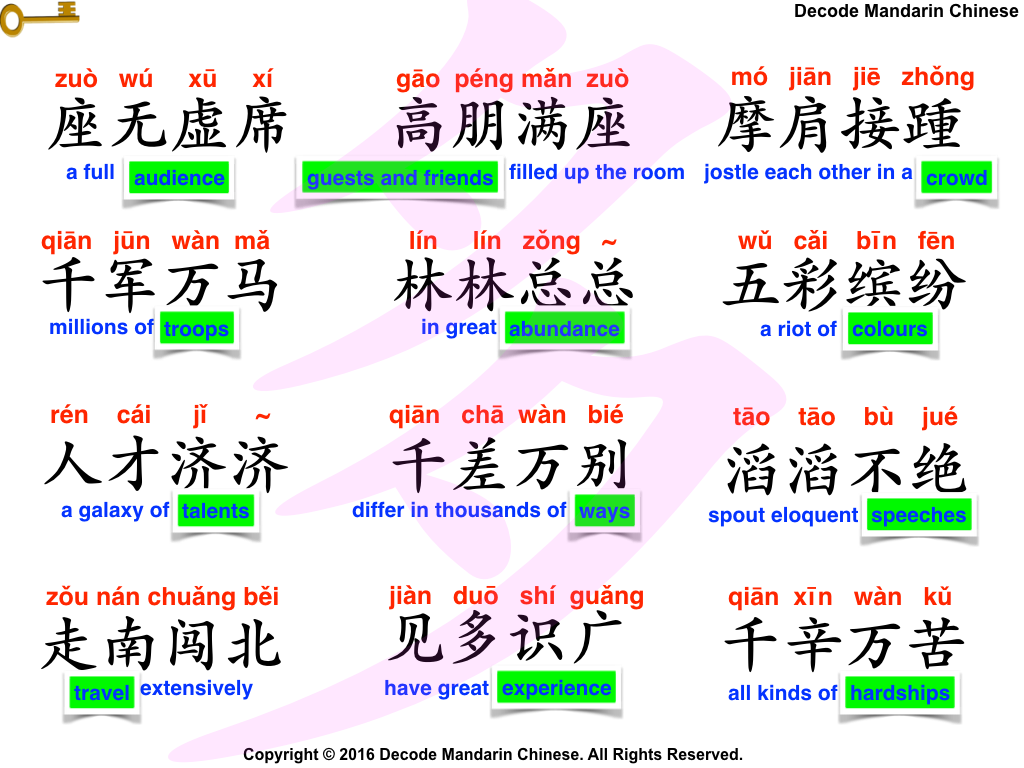
In Chinese, you can simply use “很多”, “许多”, “好多”, etc to describe a large quantity of people, things, or abstract concepts, e.g. 广场上有好多人;我哥哥每天都有很多事情要去做;他的心里充满了太多的悲伤; etc, however, in this way you can’t feel the vivid effects, Continue reading “Different kinds of “many” in Chinese set phrases”