
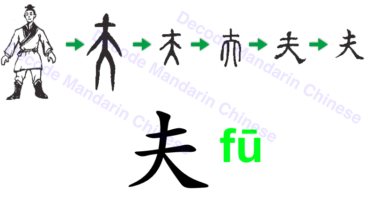
夫, a pictographic character of an adult male, mainly serves as phonetic component to form characters. 夫 also serves as semantic component to form few compound ideographic characters. Continue reading “Component 夫 adult male”
Component 长 a man with long hair
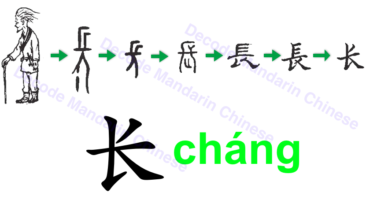
长, a pictographic character of a man with long hair, serves as phonetic component to form characters. Continue reading “Component 长 a man with long hair”
Component 歹 residual bone of a person
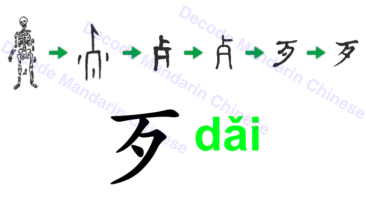
歹, a pictographic character of residual bone of a person, serves as semantic component to form characters. Characters formed by the semantic component express meanings related to death, funeral or damage such as 歼, 殁, 殃, 残, 殉, 死, 殡, etc. Continue reading “Component 歹 residual bone of a person”
Component 去 a person leaving from a hole or pit
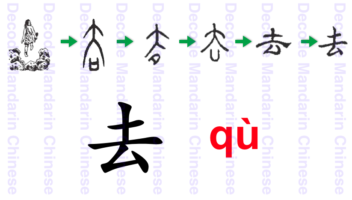
去, originally a person leaving from a hole or pit, serves as semantic component as well as phonetic component to form characters. Continue reading “Component 去 a person leaving from a hole or pit”
Component mane 巤
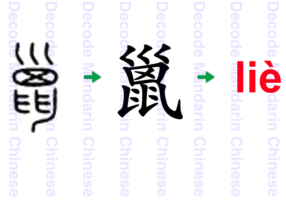
巤, originally mane, can act as phonetic component to form characters. Continue reading “Component mane 巤”