
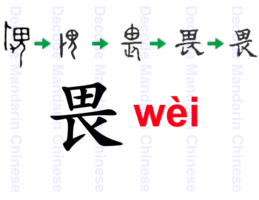
畏, a pictographic character of a demon/ghost/spirit with a stick in hand frightening people, serves as phonetic component to form characters. Continue reading “Component 畏 a demon with a stick in hand”
Component 免 a man in a hat
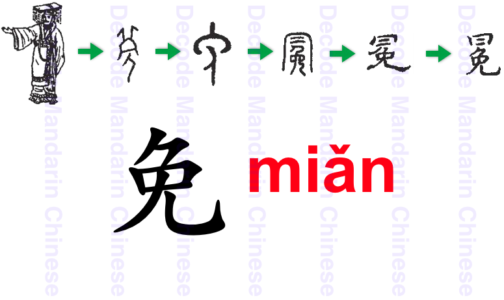
免, a pictographic character of a man in a hat, cognate with 冕, serves as phonetic component to form characters. Continue reading “Component 免 a man in a hat”
㐬 a newborn baby
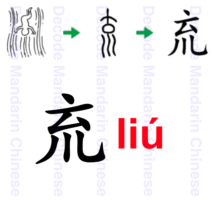
㐬, a newborn baby, shown upside down, serves as phonetic component to form characters. Continue reading “㐬 a newborn baby”
Component 巫 tool used by a witch
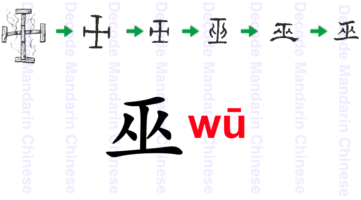
巫, a pictographic character, serves as a semantic as well as a phonetic component to form characters. Continue reading “Component 巫 tool used by a witch”
Component body 身
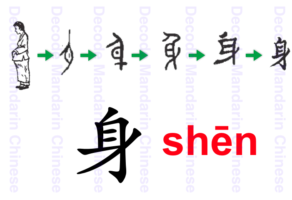
身, a pictographic character of a body, can act as semantic component to form characters. Characters formed by the semantic component body 身 have to do with body or actions related to body. 身 can also serves as phonetic component to form some characters.
Continue reading “Component body 身”