“甘败下风”还是“甘拜下风”?“指手画脚”还是“指手划脚”?“人情世故”还是“人情事故”?“川流不息”还是“穿流不息”?“部署”还是“布署”?“凑合”还是“凑和”?每天敲键盘,提笔忘字是常事。150个最容易写错的汉字↓↓写错的默默记住……


“甘败下风”还是“甘拜下风”?“指手画脚”还是“指手划脚”?“人情世故”还是“人情事故”?“川流不息”还是“穿流不息”?“部署”还是“布署”?“凑合”还是“凑和”?每天敲键盘,提笔忘字是常事。150个最容易写错的汉字↓↓写错的默默记住……
In Chinese there are many such words as 绵绵 continuous/continuously, mián mián; 默默 quietly, mò mò; 翩翩 to dance lightly/elegant, piān piān; etc. These words are called reduplicated words and used to express a rich emotion and tone, and also to achieve an effect of neat and orderly structure and stable and harmonious rhythm.
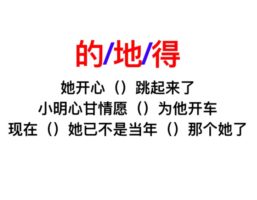
的, 地 and 得 are three very confusing words. They are used as function words to act as attributive, adverbial or complement, and each of them has a different formula. Continue reading “Tips to differentiate between 的, 地 and 得”
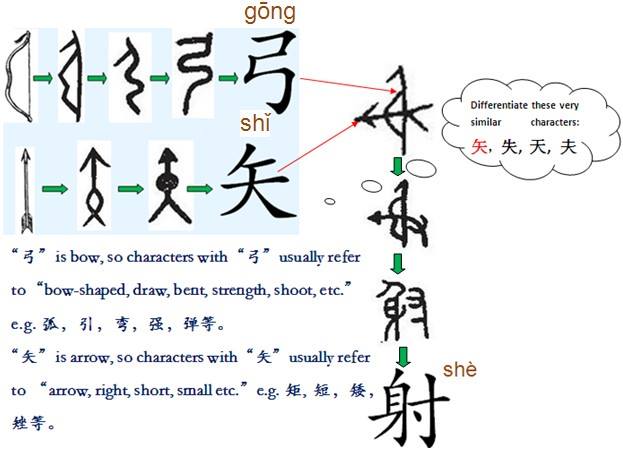
弓, originally a bow, mainly serves as a semantic component. Characters composed of 弓 express meanings related to bow e.g. 引 张 弛 弧 弦 弱 弹 强 弯. When 弓 serves as a semantic component, it is mainly located in the left or at the bottom of a character. Continue reading “Radical bow 弓”
“Focus on the journey, not the destination. Joy is found not in finishing an activity but in doing it. 专注于旅途,而非目的地。喜乐源于从事一项活动,而非完成它。/專注于旅途,而非目的地。喜悅源於從事一項活動,而非完成它。”