
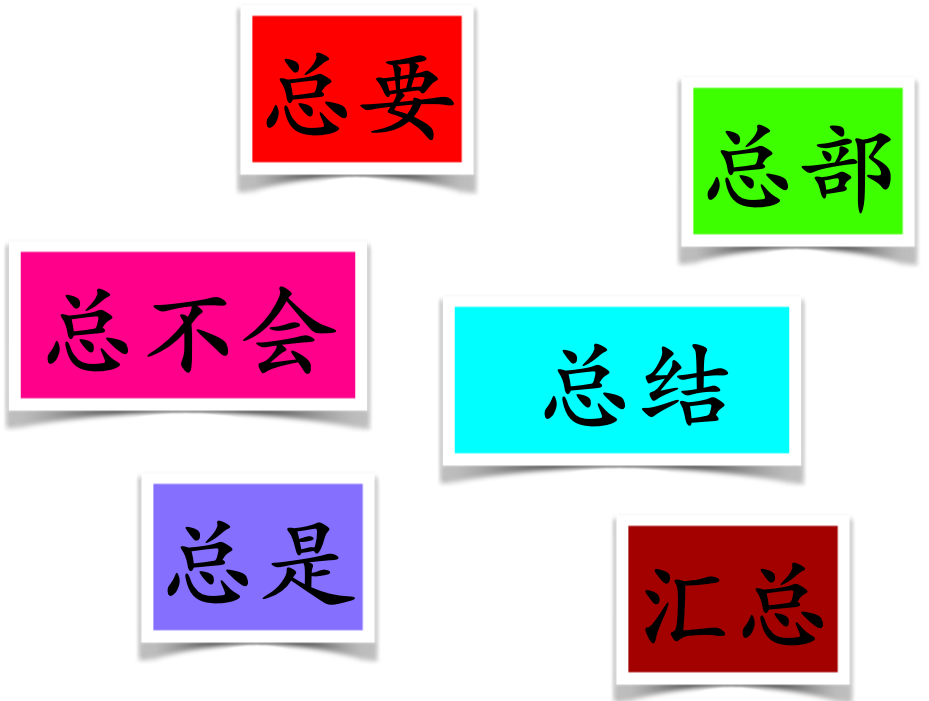
总 is one of the Chinese words with multiple uses. It can act as a verb, adverb or adjective. 总 is a word used very frequently in Chinese and it’s all necessary to learn all its uses. Continue reading “All about the use of 总”
Category: Usage
Many of the Chinese words are multi-meaning words, that is to say, many Chinese words have more than one meaning. Studying all the usages of these words is a prerequisite for the advanced learning of Chinese.
究竟怎么用“才”?How to use 才?
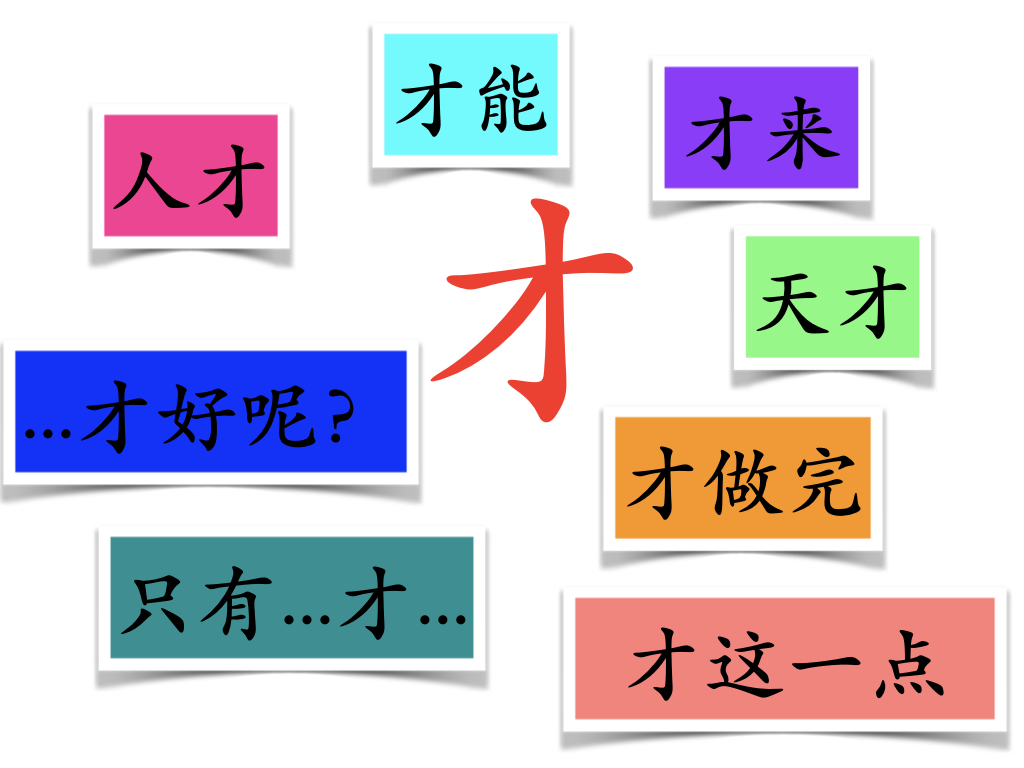
才 is an unignorable character in Chinese. It can be used both as a noun and an adverb. What’s difficult is when it is used as an adverb! Continue reading “究竟怎么用“才”?How to use 才?”
One of the Five-star Characters, 紧 II

紧:next; close; tight; closely;e.g.
那两家铺子紧挨着。
The two shops are next to each other.
这抽屉太紧了, 我打不开。
The drawer is so tight that I can’t open it.
这双鞋我穿太紧了。
These shoes are too tight for me.
全国人民团结紧。
The whole nation is closely united.
日程安排得很紧。
The programme is packed.
800 commonly-used Chinese characters in China, Japan, and Korea
2014年4月22日,《中日韩共同常用八百汉字表》在扬州举行的第九届东北亚名人会上获得中日韩三国代表一致赞成通过。根据《中日韩共同常用八百汉字表》,只要熟记808个汉字,即使不会汉语、日语和韩语,在这三个国家也可以进行简单的交流。这样,三国青年不仅可以“笔谈”,方便旅游,增进交流,还能为三国青年互相学习彼此语言提供方便。 Continue reading “800 commonly-used Chinese characters in China, Japan, and Korea”
One of the Five-star Characters, 紧 I
紧 is a must-learn character if your want to make your Chinese improved to a new level. This time we are going to learn one of its meanings: urgent; pressing; tense
时间很紧。
Time is pressing.
风声紧。
Things are tense.
任务紧。
The task is urgent.
枪声越来越紧。
The firing got heavier and heavier.
