
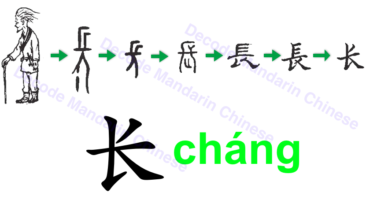
长, a pictographic character of a man with long hair, serves as phonetic component to form characters. Continue reading “Component 长 a man with long hair”
Author: Decode Mandarin Chinese
Component 歹 residual bone of a person
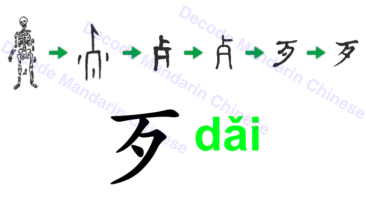
歹, a pictographic character of residual bone of a person, serves as semantic component to form characters. Characters formed by the semantic component express meanings related to death, funeral or damage such as 歼, 殁, 殃, 残, 殉, 死, 殡, etc. Continue reading “Component 歹 residual bone of a person”
Component 去 a person leaving from a hole or pit
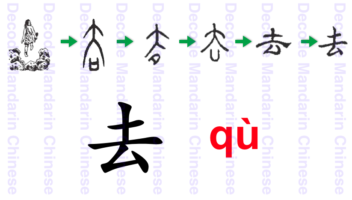
去, originally a person leaving from a hole or pit, serves as semantic component as well as phonetic component to form characters. Continue reading “Component 去 a person leaving from a hole or pit”
Component 文 tattoo
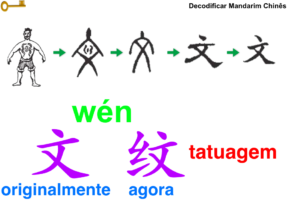
文, a pictographic character of a man with tattoos on his back, now expressed by 纹. Bone and bronze inscriptions of 文 depict a man with a tattooed chest. Continue reading “Component 文 tattoo”
Component 久 a person accepting moxibustion
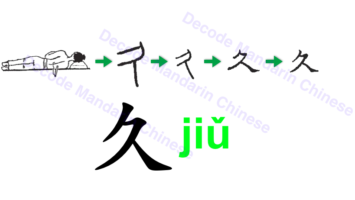
久, a pictographic character of a person accepting moxibustion, serves as phonetic component to form characters. Continue reading “Component 久 a person accepting moxibustion”